
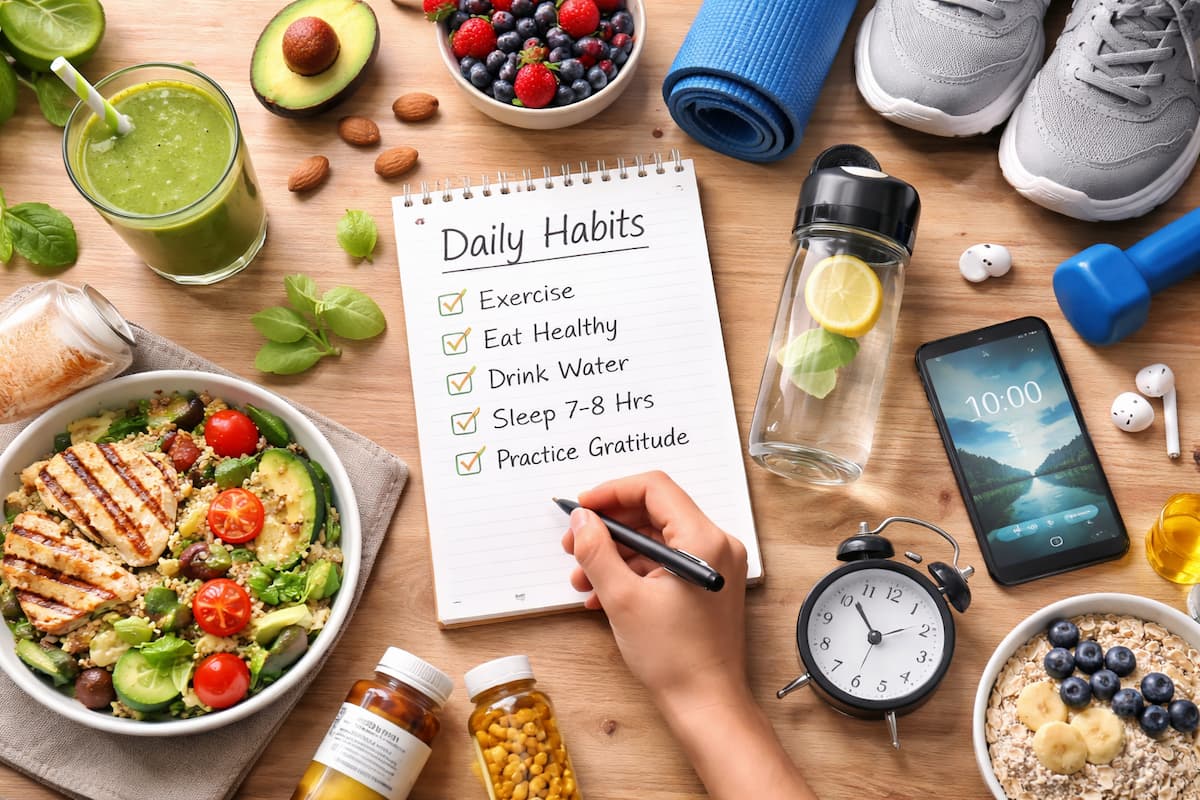
A lot of us think of making significant changes to our health, like eliminating sweets totally, completing a marathon, or changing everything about our lives overnight. But the truth is that extremes don’t usually lead to long-term health improvements. The little things we do every day shape our health. These small decisions you make every day add up over weeks, months, and years, and they can change how you feel physically, intellectually, and emotionally.
Make a Simple Morning Routine to Start Your Day
The way you start your day can have a big impact on how the rest of the day goes. A hurried and disorganized morning might make you feel worried and exhausted before you even leave the house. On the other hand, just a few minutes to be thoughtful in the morning might have a surprisingly substantial effect on your health. You don’t have to make it hard. A glass of water, a quick stretch, or simply five minutes of deep breathing can wake you up and soothe your thoughts. These little moments of intention can help you feel better, focus better, and have more energy throughout the day. I started with just five minutes of stretching every day, and I realized that my back discomfort became better and I was less worn out at work.
Move Your Body Every Day, Even a Little
Engaging in physical activity does not necessarily entail spending an hour at the gym or preparing for a marathon. What matters is being consistent. Moving about every day, even if it’s only a 20-minute stroll, a quick yoga practice, or taking the stairs, builds up over time to make your heart, muscles, and joints stronger. I remember when I started walking for 15 minutes every day after lunch. At first, it didn’t seem like a big deal. But after a few months, I realized that my digestion was better, I was sleeping better at night, and I had more energy in general. Even while small amounts of activity may not seem like much, they add up and can be beneficial for your health in the long run.
Hydration: The Underestimated Habit
We don’t always realize how important water is in our daily lives. Drinking enough water helps with digestion, brain function, skin health, and energy levels. But many individuals feel tired all day without knowing that mild dehydration is usually to blame. Keeping a water bottle at your desk or setting reminders to drink throughout the day are simple habits that can make a big difference. Proper hydration can help you focus better, get rid of headaches, and even keep your weight in check over time. Adding lemon to my water made it more enjoyable for me, and I observed that I drank sugary drinks less often.
Make Sleep a Top Priority
When life gets busy, we frequently give up sleep first, yet it has a giant effect on health. Getting enough sleep on a regular basis helps your memory, your immune system, and your mood. You can see significant changes over time with even simple changes, like going to bed 15 minutes earlier, spending less time on screens before bed, or keeping your bedroom cold and dark. I used to stay up late on my phone, thinking I could sleep later. After I set a sleep schedule, I had more energy during the day, was better able to deal with stress, and even shed a few pounds without making significant changes to my diet.
Eating with Awareness Instead than Fad Diets
Fad diets offer immediate results, but they don’t usually educate you how to keep them up. Mindful eating is paying attention to your hunger signals, enjoying each meal, and picking foods that are beneficial for you. This creates a long-term connection with food that is beneficial for your health. Making small modifications, like drinking sparkling water instead of soda or adding a serving of veggies to every meal, might help you eat healthier without feeling like you’re on a diet. I started paying more attention to what I was eating by taking a few extra seconds before each meal to chew it well and notice the flavors. Over the course of months, I automatically stopped munching out of boredom, and my digestion got a lot better.
Reduce Stress With Small Daily Practices
Chronic stress slowly hurts your health by making you more likely to get heart disease, tiredness, and a weak immune system. You don’t necessarily need vacations or therapy sessions to deal with stress. Small, regular things can make a big difference over time. Deep breathing, writing, short meditations, or simply a quick walk outside can help drop cortisol levels and bring things back into balance. I started bringing a tiny notebook with me and writing down my thoughts for five minutes every morning. At first, the habit seemed small, but over time, I discovered that I was calmer and clearer when things got difficult.
Build Social Connections and Emotional Wellness
Health isn’t just about the body; it’s also about mental and social well-being. Spending time with friends, relatives, or people in your neighborhood is beneficial for your mental health and lowers your chances of getting depressed or anxious. Even tiny things, like texting someone to see how they’re doing, making time for weekly calls, or joining a club in your area, can have long-lasting consequences. I started setting up a weekly coffee date with a buddy, and those 30-minute talks became a wonderful source of joy and stress release for me. They reminded me that emotional health is an important aspect of total wellness.
Track Small Wins to Maintain Momentum
Lastly, tracking even the simplest healthy habits is one of the best ways to make them stick. Writing in a notebook, utilizing a habit-tracking software, or charting your progress on a calendar are all ways to show that you are consistent. Celebrating tiny triumphs helps you stay positive and keeps you going. I started using a basic sticker chart to record how much water I drank and how many steps I took each day. Seeing the minor wins add up over time was pleasantly motivating and helped me stick to habits I might have otherwise forgotten.
Conclusion
Your daily health behaviors are like compound interest for your body and mind: they develop and multiply silently, and over time, they have big effects. Morning routines, consistent movement, hydration, sleep, mindful eating, stress management, social connections, and tracking small wins are not glamorous, but they are powerful. Being consistent is the key. You may make a lifestyle change that lasts by focusing on tiny, doable changes that will improve your mental and physical health. These small, regular choices can change your health in ways that big, short-term efforts never could over the course of months and years. Keep in mind that it’s not about being flawless; it’s about making progress and doing things that help you every day.
FAQs
1. How long does it take to see results from small daily health habits?
The benefits of a habit can be different for each person, but many people discover that their mood, energy, and sleep improve within a few weeks. Long-term benefits, like keeping your weight in check and your heart healthy, build up over months and years.
2. Do brief bursts of exercise truly help?
Yes. Moving around for just 10 to 20 minutes a day is beneficial for your heart, gives you more energy, and builds muscle. It’s more important to be consistent than to be intense.
3. How can I start a mindfulness practice if I’m usually busy?
Start with five minutes of deep breathing, journaling, or walking with your attention on what you’re doing every day. The idea is to be consistent, not to last a long time. Short, daily practices often have a bigger overall effect than long sessions that happen only once in a while.
4. How can you remain hydrated the simplest during a hectic day?
Keep a water bottle that you can replenish close by and set hourly reminders to drink. Adding natural flavors like lemon or cucumber can make water taste better.
5. How can I keep up good habits without feeling like I’m going crazy?
Pick one or two behaviors to work on at a time, keep track of your progress using pictures, and celebrate tiny triumphs. As the first habits become second nature, add more of them over time to make lasting improvements to your lifestyle.